


How to communicate lovingly to yourself, even when you don’t have self-love yet
Updated: Apr 27
I remember being at the height of self-abandonment, trying to do what all the self-love bloggers were saying to do: Speak nicely to myself.
I was looking at myself in the bathroom mirror, trying to say something sweet and kind; something generic like, “You’re wonderful,” or “I love you”… but it made my stomach turn.
I didn’t hate myself. But I didn’t think this person staring back at me was all that wonderful, and I didn’t love who she was.
I saw someone who was miserably obsessed with getting her boyfriend’s love and validation. She drank heavily in order to be social and dull her excessive self-consciousness, which often caused her to behave in ways she’d later regret. She pandered to what she thought others preferred of her, and willingly morphed into whatever she thought was most likable to whomever she happened to be with.
She didn’t know who she truly was. All she cared about was trying to get external love and validation.
She didn’t actually care about Me — Me, the one who had to endure being ignored, constantly critiqued, and criticized.
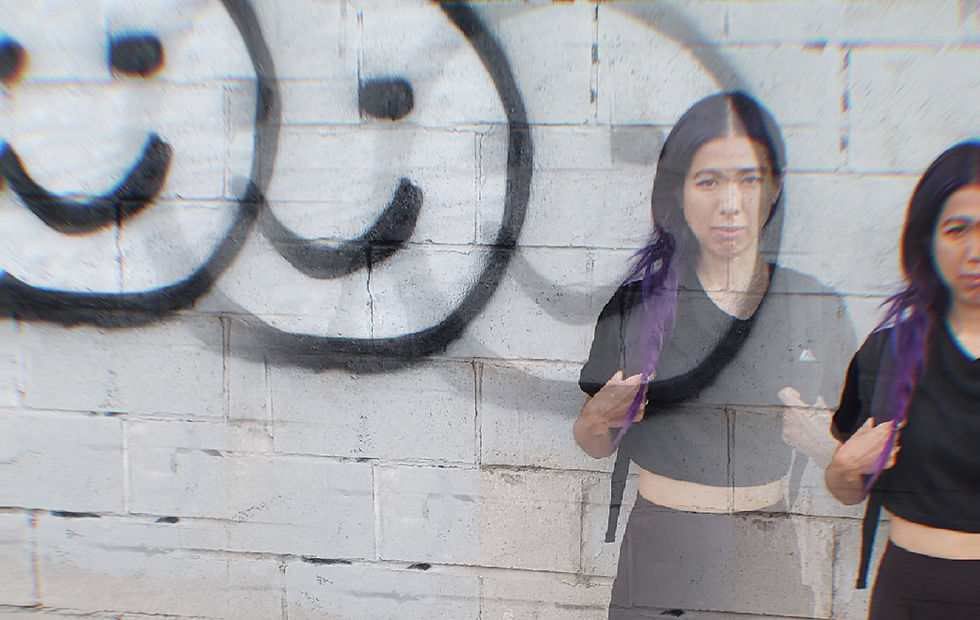
I realized there were two people here: Me...and The Human Being in the mirror.
When I was observing this human in the mirror, I could see myself from an outside perspective. It was no longer ME, lost in my own thoughts and codependent preoccupations… I could now see a separate person who was sad, frustrated, and wanting better for herself.
So instead of trying to repeat sugary sweet affirmations, I simply started talking to myself as I would to someone whom I was disappointed in, but whom I cared a lot about.
“You have to change,” I said slowly to the mirror, in a dead-serious tone. “This isn’t working. You cannot keep worrying about your boyfriend and trying to control everything he does. This isn’t who you want to be. You want to be someone who is strong, independent, and happy from the inside-out. And this isn’t it. This is why I don’t think you’re wonderful, and why I struggle to say ‘I love you’. It’s not because I actually want to feel this way. It’s just that you’re not being who I truly want you to be, and I don’t like being with you when you’re like this. I’m not proud of you right now. It’s very hard for me to love when you care way more about him than me. I know you can be better than this. You have to be willing to change for yourself.”
These were very tough words to say and hear. But they sounded like a firm, wise mentor who only wanted the best for me. The words stung, but I knew they were coming from a place of love.
It was deeply vulnerable. It was excessively honest. It was me meeting myself exactly where I was at.
This is how I’d talk to a good friend who was going through some rough times and needed to hear some serious truths, I thought.
It hurt, but it hurt in way that I knew I needed in order to start shifting things.
Up until that point, I hardly ever communicated with myself on purpose. (You don’t have to verbally talk in order to be communicating with yourself, it’s all about how you’re thinking towards yourself.)
Most of us don’t even realize we have habitual messages that we send ourselves from the moment we wake up, until we fall asleep.
You must become aware of what exactly these messages are, because they determine what kind of relationship you’re having with yourself.
I realized that my constant mental communication to myself was: “You need to be good enough for him or else he’ll leave you. You need to make everyone happy, or else no one will like you. You’re nothing special or worthy, unless others notice and say so.”
Basically my self-relationship was like being with a hyper-critical, nagging, bullying, tiger-mom of sorts… which makes complete sense why I couldn’t feel self-love.
So each time I noticed myself being this way, I told myself: “Hey, that’s the last thing I need right now. That makes me feel worse and doesn’t improve anything. I need a seriously supportive friend right now who actually cares.”
And then, begrudgingly, I’d make an effort to change what I was saying to myself.
It wasn’t about shifting into ooey-gooey self-love sweet-nothings.
It was about shifting into who I needed most in each moment.
I learned how to speak to myself as…
The stern but loving mentor: “I know life is hard right now, but this is what it means to be human. You can handle this. Let’s just focus on taking the next step.”
The gentle preschool teacher who was ridiculously proud of me for doing the most basic stuff: “Omg yes! You could’ve just wasted the rest of the day but you took ten minutes to tidy up and make things a little nicer for yourself! That’s amazing! Look how much better that is!”
The tough-love bootcamp leader who got myself to take action when I least wanted to: ”Alright enough of this. Get up. UP! Good. Now put on your shoes. I know, I know… but you’re going to feel better after doing this. Don’t think, just follow what I say. Let’s go to the car. Good job.”
The patient listener who let me express my inner messiness without any judgement: [Sitting there in silence, not rushing myself, not over-analyzing. Just letting me be human. Wanting me to express myself fully to myself.]
My higher-self: ”You know there’s more out there for you to experience. Don’t worry about what you’re struggling with now. You will change. You are meant to transform. This is all good.”
Instead of learning to morph into what I thought everyone else wanted me to be, I put my energy into morphing into who I most needed myself to be… for me.
It's not always "I love myself" and other positive affirmations.
Communicating to yourself is an art. It requires awareness of what kind of relationship you prefer to create, and to imagine what that kind of relationship dynamic would look, sound, and be like.
Then you have to consciously move away from old communication habits and make the effort to create new ones.
It’s a beautiful, life-changing practice.
I provide 1-on-1 support and coaching to help heal codependency by building genuine self-love... in a way that works for you. No fluffy affirmations or shallow self-care. Only practical tools and wisdom that actually helps you develop a deep, life-long relationship with yourself. Come book a session with me.


Comments